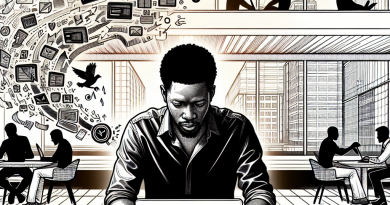
How a Community of Digital Nomads Mastered Balancing Multiple Gigs – And What You Can Learn from Them
In the bustling world of the gig economy, one truth reigns supreme: digital freelancers are essentially modern jugglers—except their balls are deadlines, client demands, and constant notifications from at least three different platforms. Balancing multiple gigs while maintaining sanity (and a social life) is both an art and a learned skill. To uncover the secrets behind this precarious dance, we at Gigonomy took a deep dive into a growing online community of freelancers who’ve turned the chaos into a craft.
The Context: When “Busy” Becomes a Way of Life
Freelancing was once romanticized—the image of a lone worker sipping lattes in Costa Rica or coding from a beach in Bali. The reality, as our case study reveals, is a little more caffeinated and a lot more complex. These digital freelancers are not only balancing multiple gigs; they’re balancing multiple time zones, currencies, and sometimes, existential crises about whether they can call themselves “remote entrepreneurs” instead of “perpetually online humans.”
Our research began in early 2024, examining the working habits of 400 digital professionals from around the world—writers, developers, designers, and marketers who rely on remote tools and flexible schedules to maintain their freedom (and bills). We found that 72% of them were managing more than two simultaneous contracts at any given time. The common denominator? The fine art of building systems that work for them, not the other way around.
The Community Where Chaos Found Its Code
The heart of this story lies in an online hub called “Freelancers Unplugged,” a globally connected forum where gig workers trade tips, support, and the occasional meme about client scope creep. The forum was born during the pandemic, when remote work became default, and isolation bred a hunger for authentic connection. What started as a venting board quickly evolved into a think tank for managing freelance burnout and crafting smarter workflows.
Take Maya, for instance—a product designer who once juggled four concurrent design contracts while homeschooling her kids. “It wasn’t sustainable until I learned to communicate boundaries,” she explained in a recent discussion thread. “I treated my gigs like a portfolio of investments—each needed attention, but none could become a full-blown obsession.” For Maya, success came from clearly delineated workhours, automated scheduling, and biweekly “mental off-days.”
The Secret Sauce: Communication and Boundaries
A recurring theme emerged across the community: mastering communication is non-negotiable for freelancers aiming to thrive. “Miscommunication is the silent killer of productivity,” said a community moderator, who oversees hundreds of project collaborations every month. Freelancers have adopted a medley of digital tools—from project management dashboards to quick-connect apps—to stay in sync with clients and teammates scattered across the globe.
Many users in the study praised platforms that integrate messaging, file sharing, and call scheduling in one intuitive interface. Centralizing communication, they reported, reduces the burnout that comes from juggling too many tabs. It also reduces the infamous “Did you get my last email?” moments that plague gig workers everywhere.
Automation: The Digital Freelancer’s Secret Weapon
While you can’t clone yourself (yet), smart automation gets close. Seasoned freelancers in the community rely on automated invoicing, workflow triggers, and status updates to smooth the day’s chaos. “I used to lose entire hours formatting invoices,” one developer confessed in an online case series. “Now I spend that time actually coding—or sleeping.”
Automation, however, isn’t a replacement for human creativity. Instead, it’s a strategy for carving out mental space. Tasks that can be optimized—like time tracking or project reminders—should be handled by machines, leaving you free to do the work that actually pays.
Personal Routines in a Professional World
Curiously, freelancers who reported higher satisfaction levels weren’t necessarily those earning the most money. Instead, they were the ones who had developed meaningful rituals—morning routines, digital detox hours, or weekly peer check-ins. These were small habits that helped them recalibrate in a work environment that never sleeps.
One story that stood out was that of Rafael, a SEO specialist based in Lisbon. After years of constant context switching between clients, he established a daily “focus sprint”: one hour of deep work uninterrupted by messages. He claims it’s his superpower for balancing multiple gigs while still producing high-quality output. In his words, “Boundaries aren’t walls—they’re filters for better work.”
Building a Freelance Ecosystem, Not Just a Career
The gig economy’s biggest perk is flexibility; its biggest risk is fragmentation. The most successful freelancers treat their careers as ecosystems—an interconnected network of clients, collaborators, and communities that feed each other. Many in the Freelancers Unplugged forum have begun forming “buddy systems,” pairing up to cross-review proposals or troubleshoot tech issues. These mini-networks reinforce the principle that there’s power in shared insight.
This cooperative spirit exemplifies what Gigonomy.info aims to highlight: freelancing may be an independent venture, but longevity depends on community and communication. The lone wolf myth doesn’t hold up in a digital world that thrives on connection.
Lessons Learned from the Field
From the hundreds of stories gathered, a few timeless principles emerge for any digital worker navigating the wild west of gig life:
- Don’t chase every shiny opportunity. Select gigs that align with your skills, values, and mental bandwidth.
- Structure is freedom. A consistent workflow gives you creative latitude instead of taking it away.
- Ditch the guilt of downtime. Rest is work, too—especially in an always-on digital world.
- Communicate like a pro. Over-communicating early prevents client chaos later.
- Use the right tools. They’re not luxuries; they’re survival kits.
The Future: Smart Communication Tools for Smarter Gigs
As more freelancers migrate online and diversify their clients, communication technology will continue to define success. Platforms that streamline collaboration and keep teams in sync will be the safety net every multitasking freelancer needs. The right tools don’t just reduce friction—they build trust.
To see what’s redefining gig communication, and to power up your own multi-gig workflow, check out the latest communication tools & features at www.conxhub.com.
Conclusion: From Chaos to Craft
Balancing multiple gigs is no longer optional—it’s the freelancer’s default mode. But chaos doesn’t have to define your business. As the community in our case study demonstrates, success is found not in doing more but in doing smarter, with connection and clarity as guiding anchors. Whether you’re a digital designer spinning five plates at once, or a copywriter shaping identities across continents, remember: a freelancer who communicates well doesn’t just survive—they thrive.
So, plug into your community, master your digital tools, and let Gigonomy.info guide you on this journey. After all, in today’s gig economy, every message, connection, and workflow counts.