
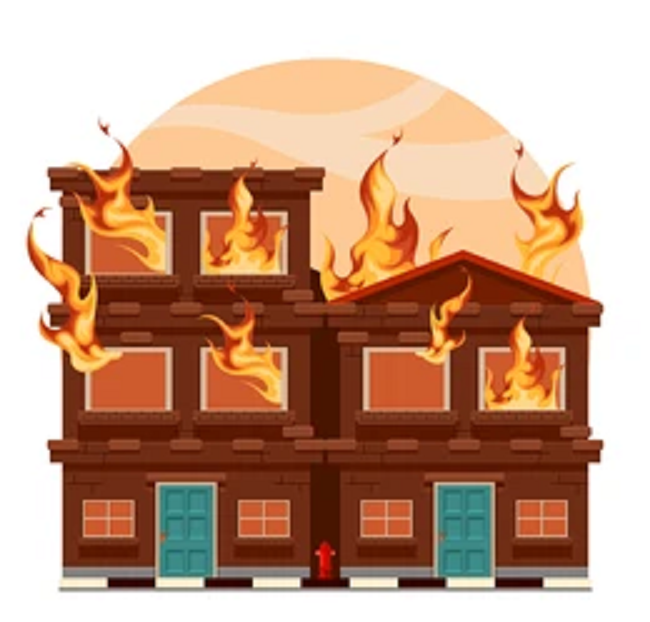
Make Sure Your Rental Property Isn’t Burned Down
When you have bought an expensive asset like a property, you need to protect it. Whilst accidents do happen, you need to be covered by insurance and by having all fire hazards checked, and fire safety materials available and by meeting the local regulations. Insurance for natural disasters and for fires is essential in your property.
Fire claims are among the most costly that insurance covers. Throughout London, the average fire claim is £51,138, compared to £19,527 in the rest of the United Kingdom according to a Hamilton Fraser article. More crucially, a fire in your property presents a serious danger to the safety of your renters, perhaps leaving them injured or worse.
It just takes a few minutes for a fire to spread throughout your house and leave it unusable, requiring expensive and time-consuming restorations as well as a reduction in your property’s value. An even greater concern is the danger that a fire presents to the lives and property of your renters. According to Firemark in the NRLA article, the odds of having a fire are seven times greater for persons who live in leased or shared housing. The odds are increased again if there are children or pets in the property who might accidentally knock over something, or might be a distraction whilst people are cooking.
It is the duty of landlords to make sure that their rental houses are secure for their renters. This involves taking fire safety precautions seriously. So, what can you do to prevent your rental property from burning down?
1. Check the condition of your fire extinguishers. It is imperative that you adhere to the manufacturer’s specifications for testing and assessments.
2. Landlords shall install self-closing fire doors on the front doors of apartments and shared facilities (such as hallways and stairwells). These are intended to prevent the spread of flames and must not be left open.
3. Landlords must set functional smoke detectors on every level of their rental units and carbon monoxide alarms in areas with solid fuel burners. Landlords must inspect detectors at the outset of each new rental and urge occupants to inspect them periodically.
4. Educate renters on fire safety prevention so that they do not ignore their belongings, which may ignite a fire, or overlook kids who may play with flammable items.
5. Regular fire risk assessments are recommended practice in all rental properties and are required by law in many of them. It determines probable fire causes, potential dangers, and actions the landlord may take to decrease the chances of a fire.


